Berlin Smart Insights
How to Plan Smart Home Automation for Your New House


To plan smart home automation for your new house, define your needs (security, energy efficiency, convenience), choose a scalable system (preferably hybrid), design wiring and device placement early, and work with a professional smart home company for seamless integration. Planning during construction ensures better performance, reliability, and long-term flexibility.
Berlin Engineering (berlin.lk) provides custom smart home automation solutions in Sri Lanka, helping homeowners design fully integrated, future-ready smart homes from the ground up.
What Is Smart Home Automation Planning?
Smart home automation planning is the process of designing how all smart devices and systems will work together in your house. A well-planned system connects:
- Smart lighting systems
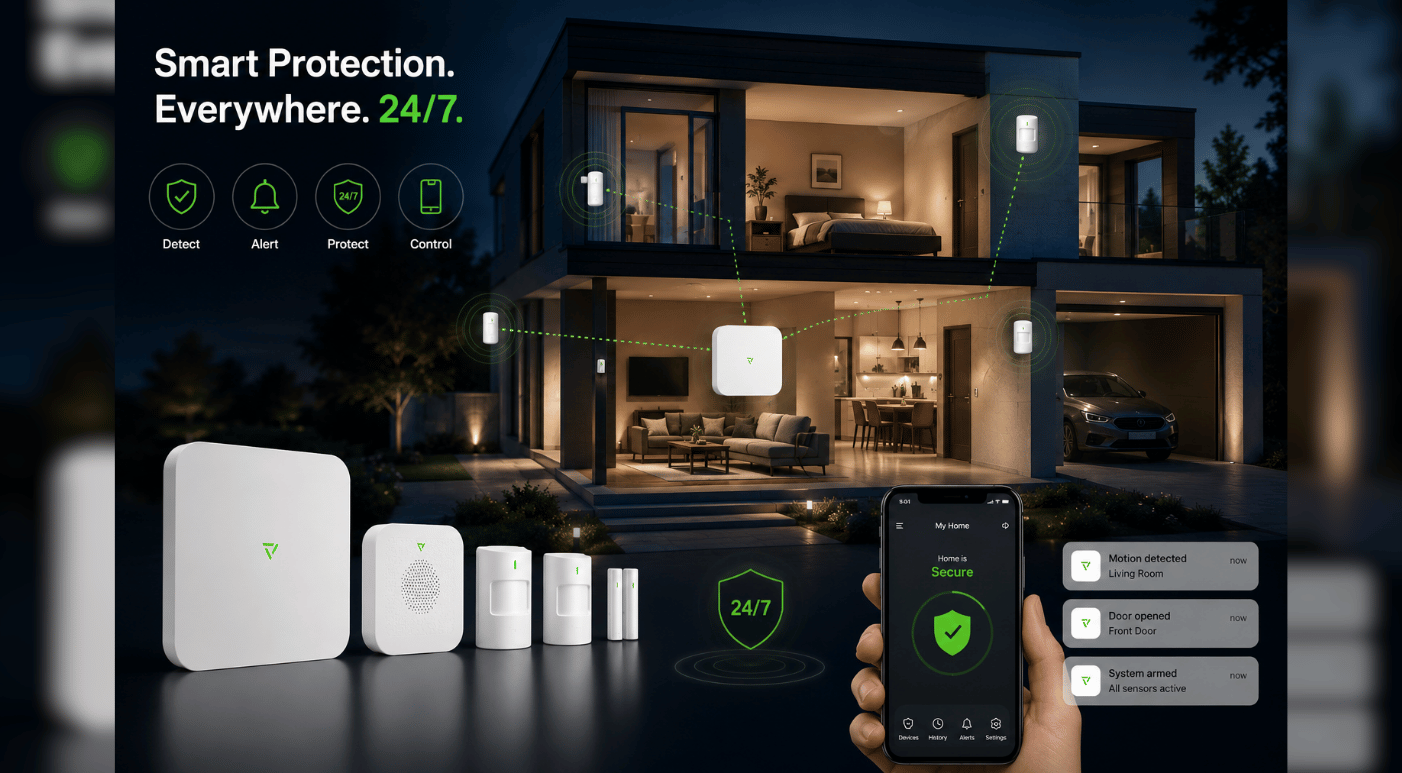
- Smart security systems
- Smart door locks and access control
- Smart sensors
- Smart climate control
- Smart curtains and smart film
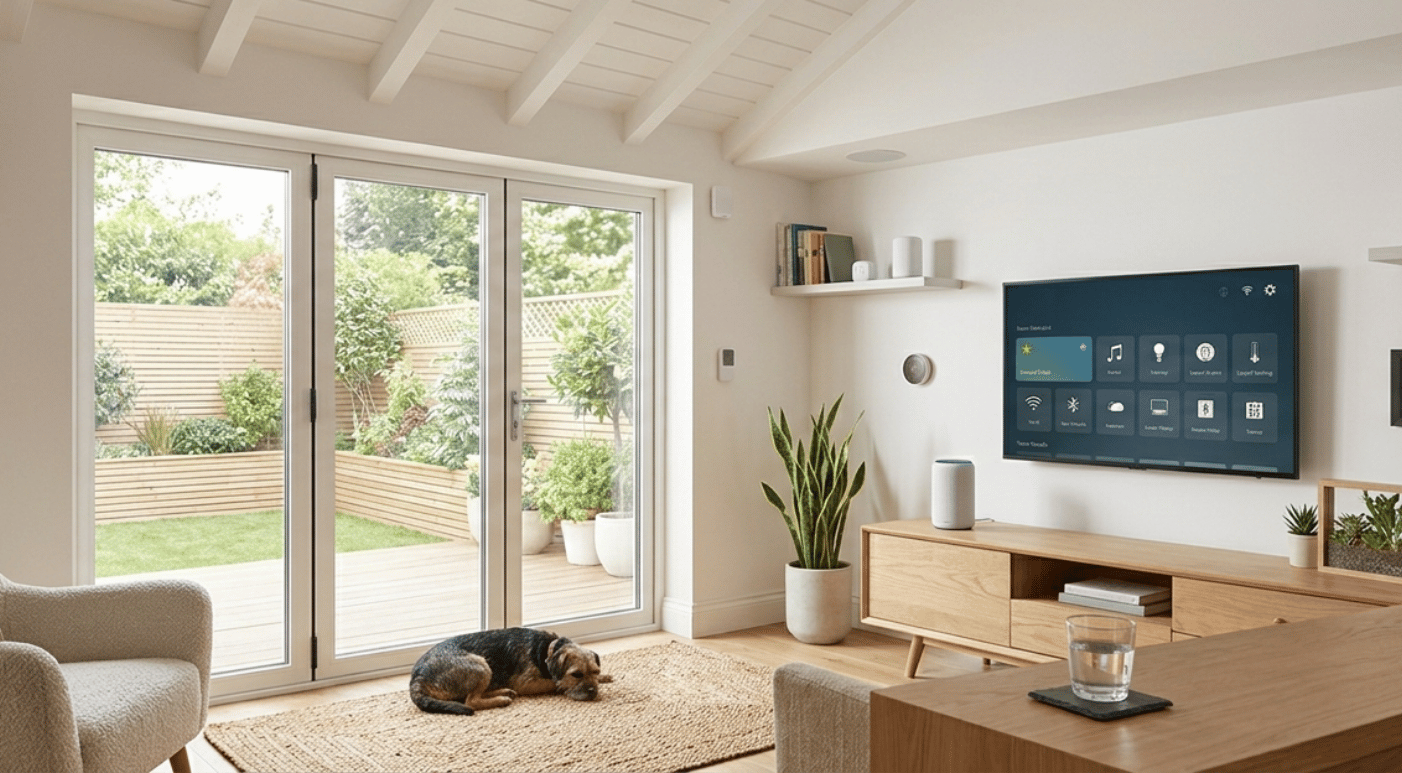
All these are managed through a centralized smart home system, allowing automation, remote access, and efficient control.
Why Planning Smart Home Automation Early Is Important
Planning smart home automation during the construction stage ensures proper wiring, optimal device placement, and seamless integration, resulting in a more reliable and efficient system.
Key Advantages:
- Hidden and organized wiring
- Better performance and faster response
- Full system integration from the beginning
- Easier upgrades in the future
- Reduced installation complications
Planning late often leads to limitations and compromises.
Step-by-Step Guide to Planning Smart Home Automation
1. Define Your Smart Home Goals
Start by identifying what you want your smart home to achieve.
Common goals:
- Enhanced home security
- Reduced electricity usage
- Improved convenience
- Remote access and control
- Modern lifestyle experience
The best smart home plan is based on your daily lifestyle needs and how automation can improve comfort, security, and efficiency.
2. Choose the Right Smart Home System
There are three main types of systems:
Wired Smart Home Systems
- Installed during construction
- Highly stable and reliable
- Ideal for long-term use
Wireless Smart Home Systems
- Flexible and easy to install
- Suitable for upgrades
Hybrid Systems (Best Option)
Hybrid smart home systems (wired + wireless) are the best choice for new houses in Sri Lanka because they combine reliability, flexibility, and scalability.
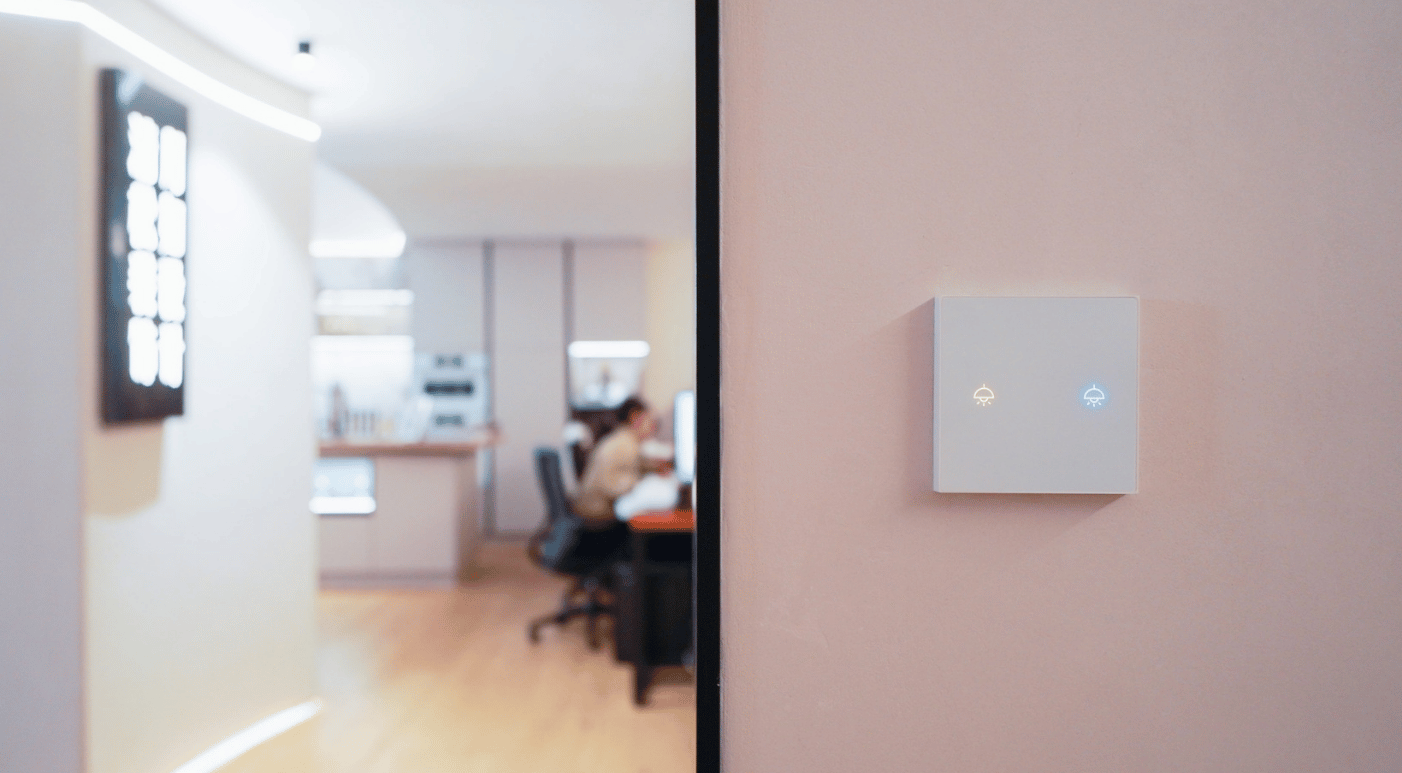
3. Plan Smart Lighting Automation
Smart lighting is the core of any smart home system.
What to plan:
- Smart switch locations
- Lighting zones for different areas
- Dimming and brightness control
- Motion-based automation
- Scene-based lighting (e.g., Movie Mode, Night Mode)
Benefits:
- Energy efficiency
- Enhanced ambiance
- Automated convenience
4. Design a Complete Smart Security System
Security planning should be detailed and strategic.
Include:
- CCTV camera placement for full coverage
- Entry point monitoring (doors and windows)
- Motion detection zones
- Alarm system integration
Planning smart security systems early ensures maximum protection, better coverage, and efficient monitoring.
5. Plan Smart Door Locks and Access Control
Access control is an essential part of a modern smart home.
Consider:
- Main entrance smart door locks
- Gate automation
- Video door phone systems
- Visitor access management
These features improve both security and convenience.
6. Integrate Smart Sensors for Automation
Smart sensors are the “brain triggers” of automation.
Types of sensors:
- Motion sensors
- Door/window sensors
- Temperature sensors
- Light sensors
How they work:
- Turn lights on/off automatically
- Adjust climate systems
- Trigger security alerts
They ensure your home operates intelligently and efficiently.
7. Plan Smart Climate Control Systems
Smart climate control systems automatically regulate temperature and airflow, improving comfort while reducing energy waste.
What to include:
- Smart AC control
- Fan automation
- Temperature-based triggers
- Scheduled cooling/heating
This creates a comfortable living environment without manual adjustments.
8. Include Smart Curtains and Smart Privacy Solutions
Modern homes increasingly use:
- Smart curtains
- Smart film (PDLC switchable glass)
Benefits:
- Automated opening and closing
- Instant privacy control
- Heat and glare reduction
- Improved interior aesthetics
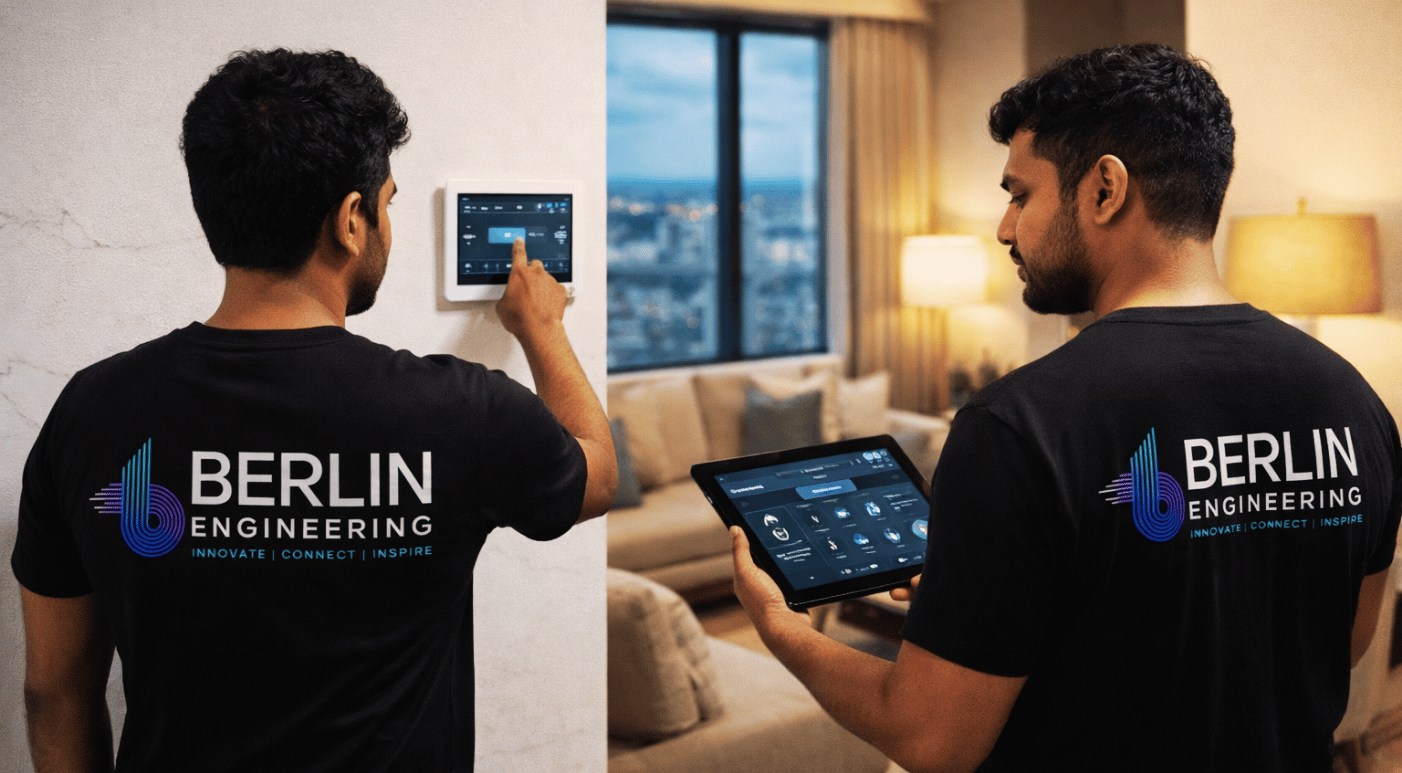
9. Set Up a Centralized Control System
A centralized system connects all devices into one platform.
Key features:
- One mobile app for full control
- Automation scenes (Good Morning, Away Mode, Night Mode)
- Real-time monitoring
- Voice control integration (optional)
This is what transforms a house into a fully integrated smart home.
10. Plan Network Infrastructure and Connectivity
A strong network is essential for smart home performance.
Key considerations:
- High-quality Wi-Fi coverage across all rooms
- Router placement
- Network security
- Backup connectivity options
A stable and secure network ensures smooth communication between smart devices and uninterrupted automation.
11. Prepare for Power Backup Systems
In Sri Lanka, power reliability can vary.
Plan for:
- UPS systems
- Inverter integration
- Backup for critical devices (security, controllers)
This ensures your smart home remains functional during power interruptions.
Room-by-Room Smart Home Planning
Living Room
- Smart lighting
- Smart curtains
- Entertainment system integration
- Voice control
Bedrooms
- Smart lighting with dimming
- Climate control
- Smart curtains
- Night mode automation
Kitchen
- Smart lighting
- Optional smart appliances
- Safety sensors
Bathrooms
- Motion-based lighting
- Ventilation control
Outdoor Areas
- Smart security cameras
- Motion sensors
- Automated outdoor lighting
Common Mistakes to Avoid
- Not planning automation during construction
- Choosing incompatible devices
- Ignoring network infrastructure
- Skipping professional system design
- Not planning for future expansion
Avoiding these ensures a smooth and efficient smart home experience.
Why Work with a Professional Smart Home Company?
Professional smart home companies ensure proper system design, seamless integration, and long-term reliability.
Benefits include:
- Expert planning and consultation
- Customized solutions
- High-quality system integration
- Reliable installation
- Ongoing technical support
Why Choose Berlin Engineering for Smart Home Automation?
Berlin Engineering (berlin.lk) specializes in:
- Complete smart home automation planning
- Integration of lighting, security, climate, and access systems
- Scalable and future-ready solutions
- Professional installation and support
Berlin Engineering provides fully customized smart home automation systems in Sri Lanka, ensuring seamless integration, reliability, and long-term performance for new houses.
Frequently Asked Questions
When should I plan smart home automation?
During the design or construction phase for the best results.
What is the best smart home system for a new house?
Hybrid systems combining wired and wireless technologies.
Can smart home systems be upgraded later?
Yes, scalable systems allow future expansion.
Do smart homes require internet to work?
Some features require internet, but core automation can function locally depending on the system.
Planning smart home automation for a new house involves selecting the right system, designing lighting and security, integrating sensors, and ensuring centralized control with strong network infrastructure. Early planning results in a more efficient, reliable, and future-ready smart home.
For expert smart home automation planning in Sri Lanka, Berlin Engineering (berlin.lk) delivers customized, fully integrated solutions designed for modern living.