Smart Home vs Traditional Home: What’s the Difference?


The main difference between a smart home and a traditional home is automation and control. A smart home uses connected systems such as smart lighting, smart security, smart door locks, sensors, and climate control to automate daily tasks and allow remote control, while a traditional home relies on manual operation of lights, locks, and appliances.
What Is a Smart Home?
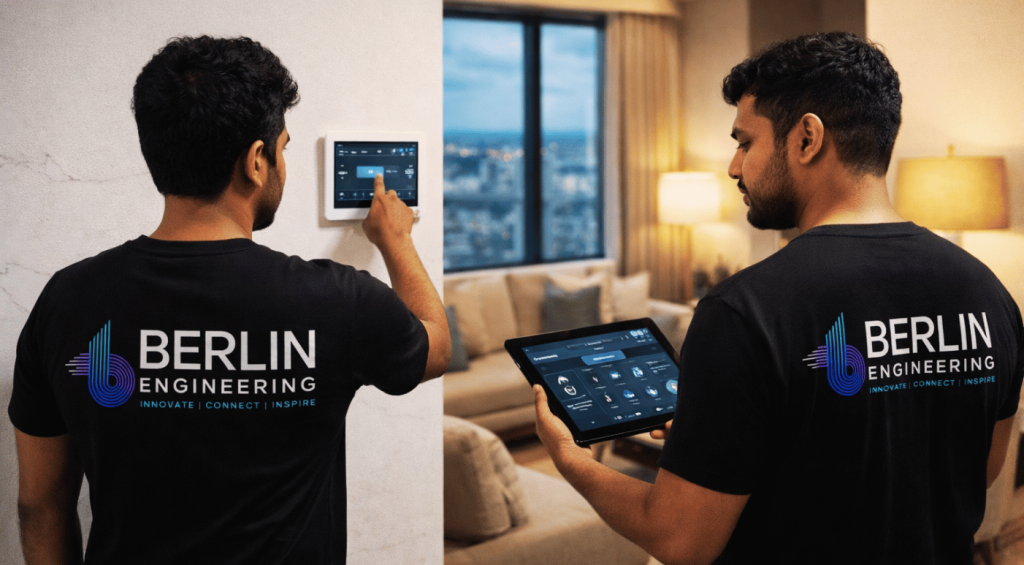
A smart home uses a centralized smart home automation system to connect and control multiple devices through a mobile app, automation scenes, or sensors.
Common smart home features include:
- Smart lighting systems
- Smart security systems
- Smart door locks
- Smart sensors
- Smart climate control
- Smart curtains or smart film
In Sri Lanka, smart homes are increasingly used in modern houses, apartments, and villas.
What Is a Traditional Home?
A traditional home operates with manual switches, mechanical locks, and standalone appliances.
Characteristics of traditional homes:
- Lights controlled by wall switches
- Locks operated with physical keys
- No remote monitoring
- No automation or energy optimization
Traditional homes work well but lack the convenience, efficiency, and security of modern smart home systems.
Smart Home vs Traditional Home: Key Differences
1. Control & Convenience
Smart Home:
Devices are controlled through a mobile app, automation scenes, or schedules.
Traditional Home:
All devices must be operated manually.
👉 Smart homes offer one-touch or automated control, while traditional homes require physical effort.
2. Lighting Systems
Smart Home:
Smart lighting turns lights on/off automatically, adjusts brightness, and follows schedules.
Traditional Home:
Lights are switched on and off manually, often leading to energy waste.
👉 Smart lighting improves energy efficiency and convenience.
3. Home Security
Smart Home:
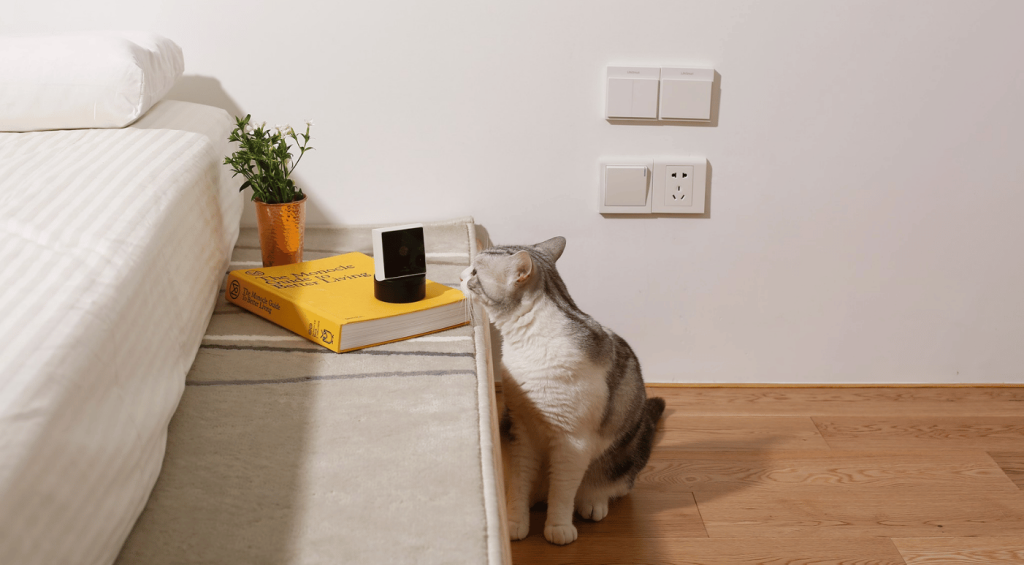
Uses smart security systems such as CCTV, motion sensors, door/window sensors, and mobile alerts.
Traditional Home:
Relies on locks, grills, and basic alarms with no real-time monitoring.
👉 Smart homes provide 24/7 security and instant alerts.
4. Door Locks & Access
Smart Home:
Smart door locks allow fingerprint, PIN, RFID, or mobile app access.
Traditional Home:
Uses mechanical locks and physical keys.
👉 Smart door locks improve security and access control.
5. Energy Efficiency
Smart Home:
Optimizes energy usage through automation, sensors, and scheduling.
Traditional Home:
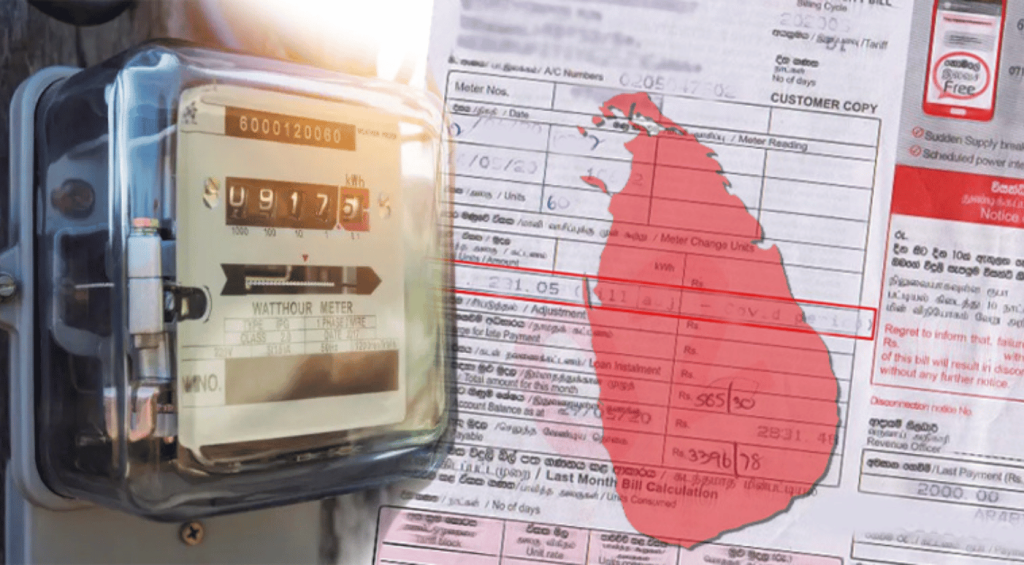
Energy use depends on manual habits, often leading to higher electricity bills.
👉 Smart homes help reduce electricity costs.
6. Climate Control
Smart Home:
Smart climate control automatically manages air conditioners and fans.
Traditional Home:
ACs and fans are controlled manually and often run unnecessarily.
👉 Smart climate systems improve comfort and power savings.
7. Privacy & Modern Features
Smart Home:
Includes smart curtains and smart film for instant privacy control.
Traditional Home:
Uses curtains or blinds only.
👉 Smart homes offer modern privacy solutions.
Smart Home vs Traditional Home: Comparison Table
| Feature | Smart Home | Traditional Home |
|---|---|---|
| Control | App & automation | Manual |
| Security | Smart security systems | Basic locks |
| Lighting | Smart lighting automation | Manual switches |
| Energy Efficiency | High | Low |
| Remote Access | Yes | No |
| Privacy | Smart curtains / smart film | Curtains |
| Property Value | Higher | Standard |
Which Home Is Better for Sri Lanka?
Smart homes are better suited for modern living in Sri Lanka due to rising electricity costs, security concerns, and the need for convenience.
Smart home automation works well for:
- Urban houses
- Apartments
- Villas
- Rental properties and Airbnbs
Traditional homes remain functional but lack long-term efficiency and security benefits.
Can a Traditional Home Be Converted into a Smart Home?
Yes. Most traditional homes in Sri Lanka can be upgraded into smart homes using wireless smart home automation systems, without major renovations.
Berlin Engineering specializes in retrofitting existing homes with smart home solutions.
Cost Difference: Smart Home vs Traditional Home
Smart homes require an initial investment, but offer long-term savings through:
- Reduced electricity bills
- Lower maintenance costs
- Increased property value
Traditional homes may cost less initially but do not provide long-term efficiency benefits.
Smart Home or Traditional Home: Which Should You Choose?
Choose a Smart Home If You:
- Want better home security
- Want to save electricity
- Prefer convenience and automation
- Plan to live long-term in the home
Choose a Traditional Home If You:
- Prefer manual systems
- Do not require automation
- Want minimal technology use
Why Choose Berlin Engineering for Smart Home Automation?
Berlin Engineering provides professionally designed smart home automation solutions in Sri Lanka, integrating lighting, security, access control, climate automation, and privacy systems with long-term support.
Frequently Asked Questions
What is the main difference between a smart home and a traditional home?
Automation and remote control.
Do smart homes consume more electricity?
No. Smart homes usually reduce electricity consumption.
Can smart homes work during power cuts?
Yes, when paired with inverter or UPS backup systems.
Are smart homes complicated to use?
No. They are designed to be user-friendly.
A smart home uses automation, smart security, smart lighting, and centralized control to improve comfort, safety, and energy efficiency, while a traditional home relies on manual operation. For modern living in Sri Lanka, smart home automation offers clear long-term advantages.
Berlin Engineering delivers future-ready smart home solutions designed for Sri Lankan homes.